Gym Management Platform
A gym management platform covering memberships, billing, payments, attendance, branch operations, and reporting, with a privacy-aware data model and role-based security architecture.
- Java
- Spring Boot
- PostgreSQL
- Docker
- NATS
- MinIO
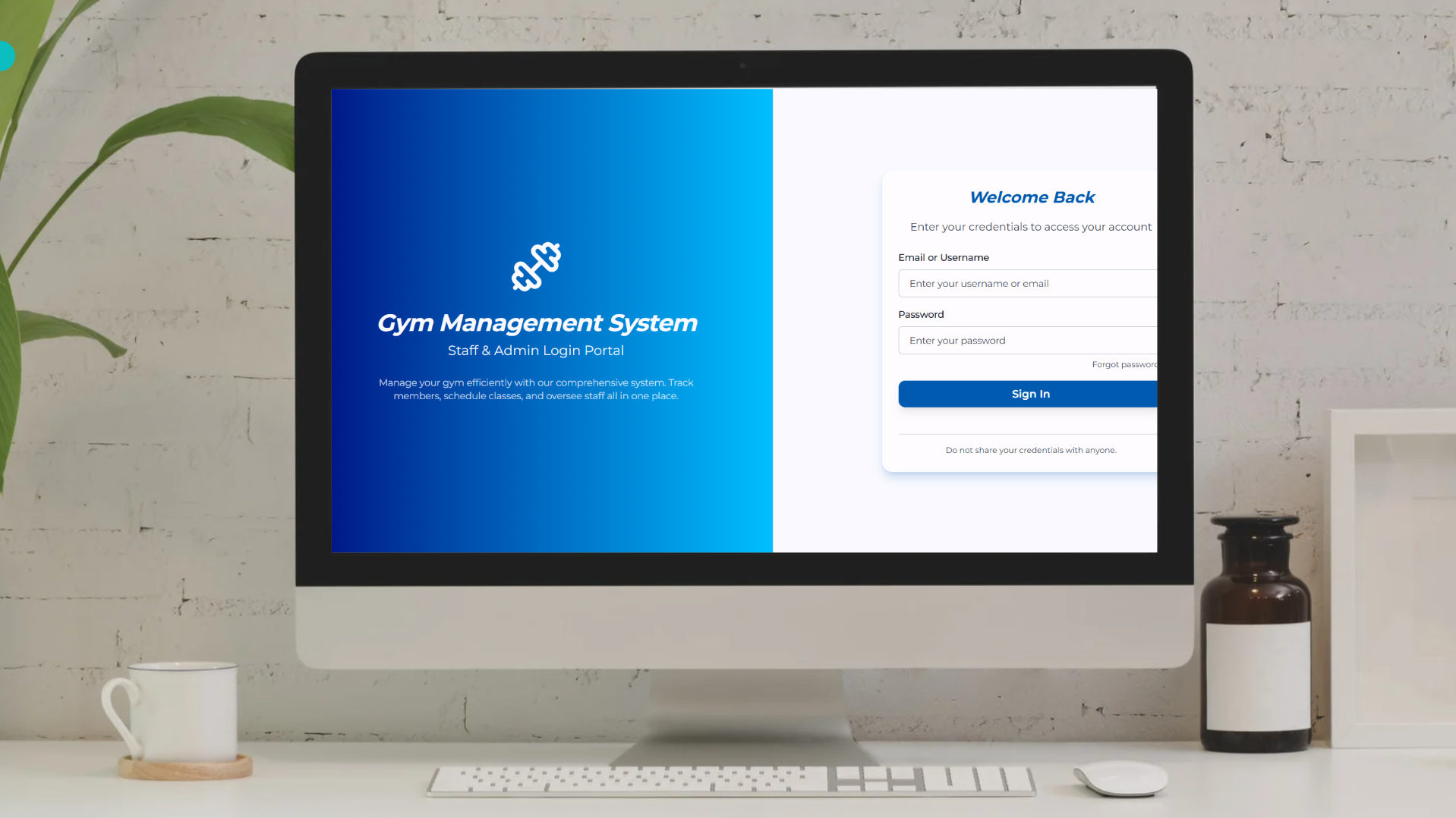
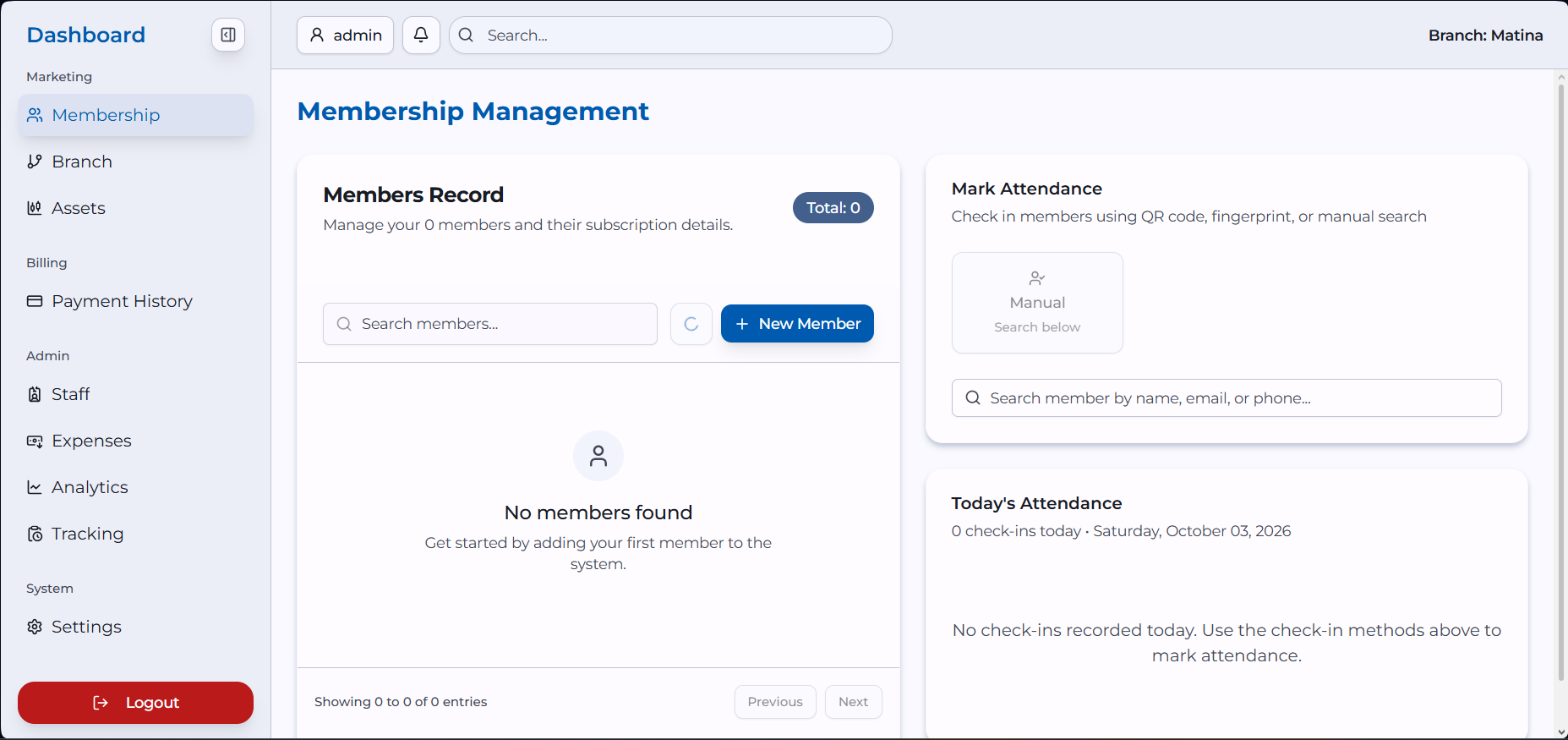
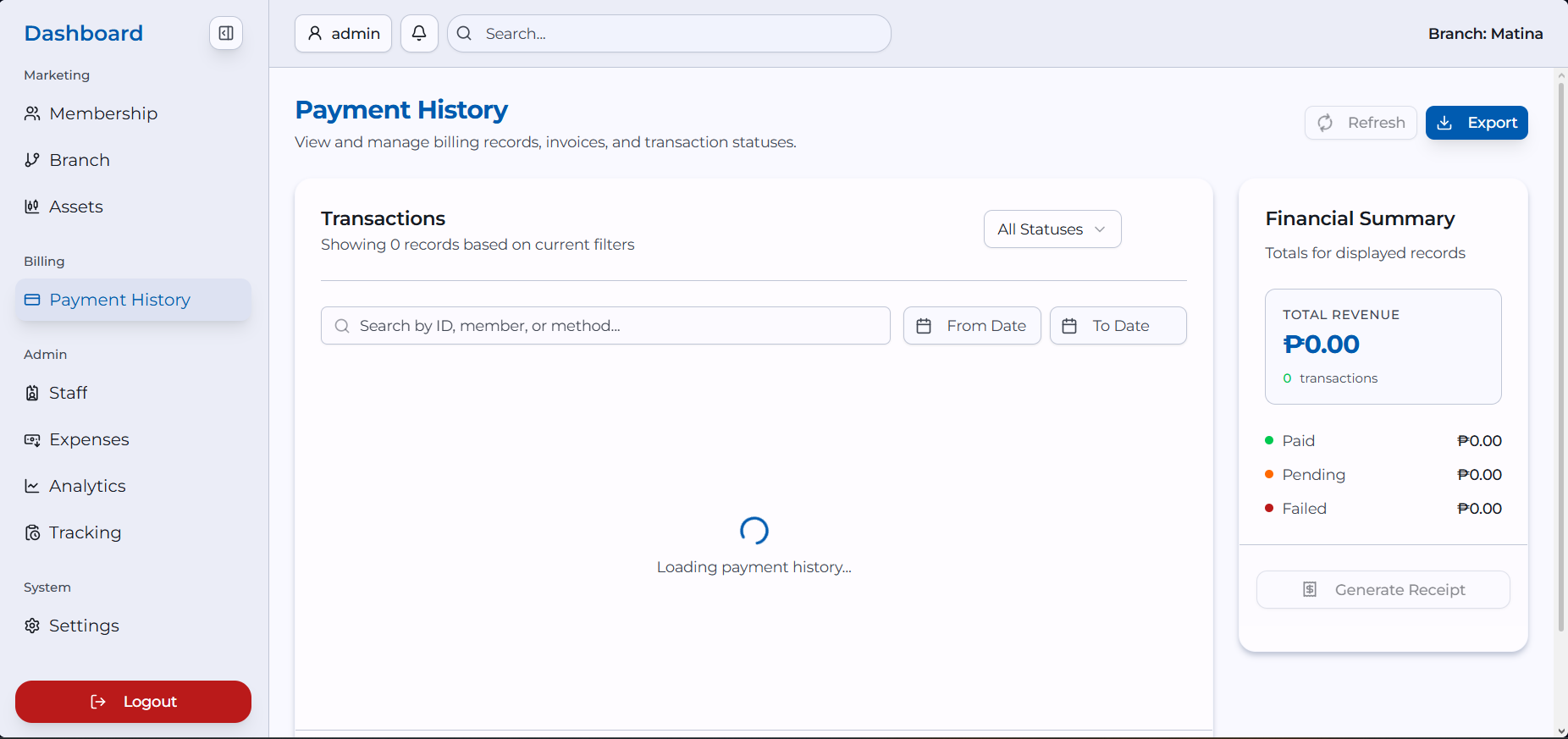
Overview
A gym management platform developed during my internship at Telemondo. The system was designed to centralize membership management, subscription billing, payment history, attendance, branch operations, reporting, asset tracking, and business expense monitoring under a single platform.
I served as the primary backend contributor for most of the project, leading database design, application architecture discussions, security implementation, and deployment setup. A large part of the work involved translating business processes into a relational data model while ensuring historical records remained intact even when personal information needed to be removed.
What I built
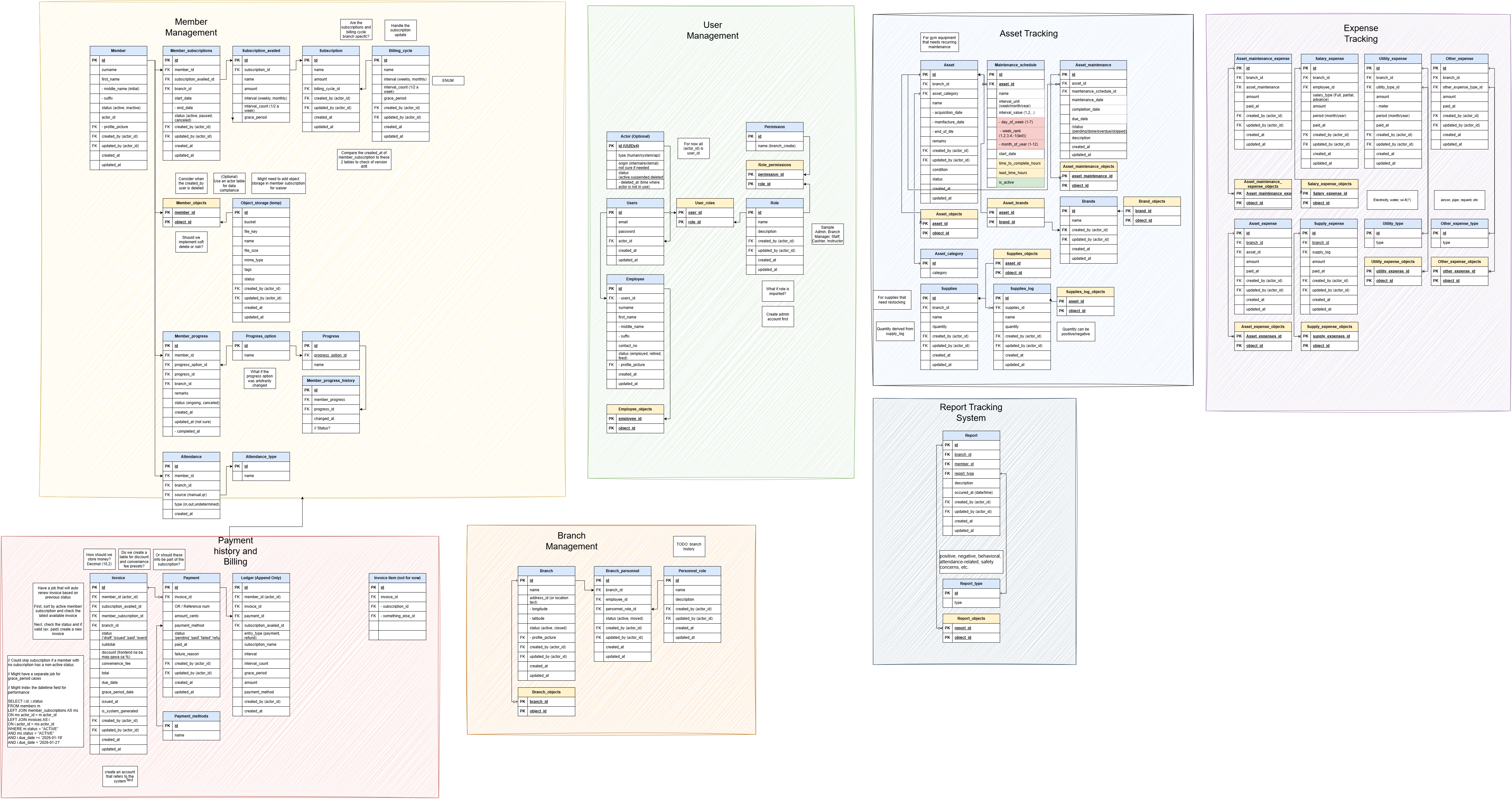
- Co-designed a large relational database spanning membership management, subscription billing, invoicing, payments, attendance, reporting, branch operations, and operational expense tracking.
- Introduced a central Actor model used across members, employees, and users, enabling personally identifiable information to be removed or deactivated without breaking payment, attendance, billing, or audit history.
- Implemented role-based access control using Spring Security and Spring Method Security, allowing permissions to be managed independently from application logic and consistently enforced across protected endpoints.
- Designed backend services and reusable API patterns that standardized request handling and response formatting, reducing duplication across feature implementations.
- Containerized the platform with Docker and helped establish the deployment workflow used during development and testing.
- Built recurring business processes using Quartz Scheduler, including automated billing and analytics refresh processes.
Highlights
- Privacy-aware data modeling that preserved historical memberships, invoices, payments, and attendance records even after user information was removed or deactivated.
- Complex business-domain modeling built through repeated reviews with stakeholders and mentors to accurately capture gym operations, billing workflows, and membership lifecycles.
- Role-based permission system designed at the database and application levels rather than as ad hoc endpoint checks.
- Led technical planning within a three-person internship team, including research, task breakdown, and architectural direction subject to mentor review.
- Automated financial analytics using database procedures and scheduled jobs to aggregate revenue and operational expenses by branch and reporting period.
Interesting challenges
- Separating identity from business history. Memberships, invoices, payments, attendance records, and reports all needed to remain historically accurate even if customer or employee information was later removed. The solution was a shared Actor abstraction referenced throughout the data model.
- Turning loosely defined business processes into a relational schema. The design required multiple iterations with mentors and stakeholders to understand how memberships, billing cycles, subscriptions, and branch operations interacted in real-world scenarios.
- Balancing normalization against practicality. The platform stores operational, financial, and personnel data in the same system, requiring careful decisions about where to preserve historical snapshots versus where to maintain references to live records.
- Building authorization into the system architecture rather than individual endpoints by combining role, permission, and user-role relationships with Spring Method Security.